
Premier League sponsorship continues to evolve at a pace that reflects the league’s status as the most commercially influential football competition in the world. What’s striking this season is how different the landscape looks compared to even two or three years ago. The brands entering the space, the categories they represent, and the inventory they’re choosing all point to a market undergoing a genuine shift, one shaped by changes in global finance, technology, and the growing sophistication of B2B marketing. Several developments highlight just how quickly the sponsorship ecosystem is changing.
Stablecoins Enter the Mainstream
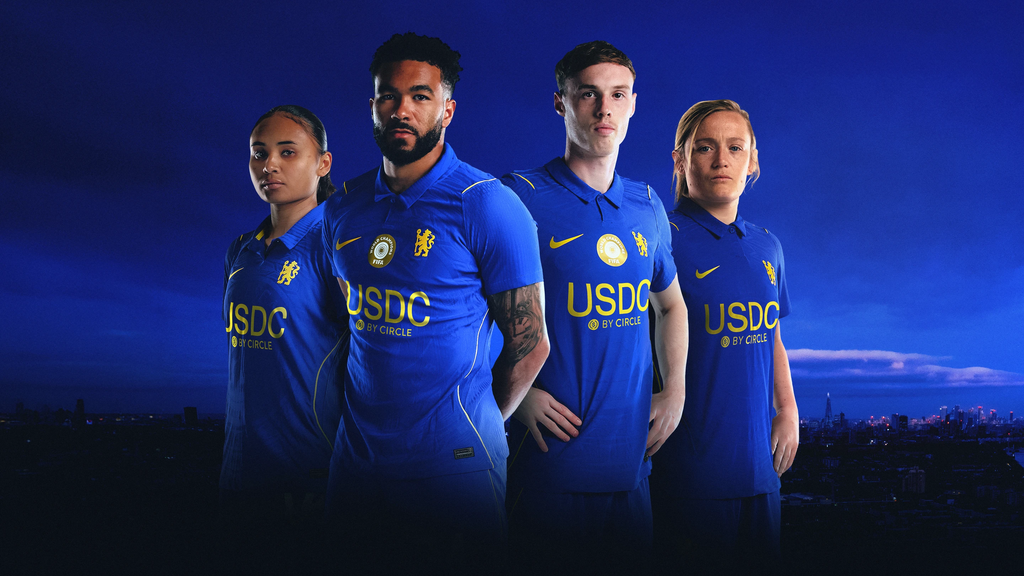
Chelsea’s front‑of‑shirt partnership with USDC is one of the clearest signals of that shift. Stablecoins aren’t just another crypto product, they’re a genuinely useful financial tool, I use the technology myself at F42. They solve real problems around settlement speed, cross‑border payments and treasury efficiency, and they’re increasingly being adopted by businesses that want reliability rather than speculation.
Circle’s leadership has been explicit about the intent behind the partnership. Jeremy Allaire said, “We built USDC on the belief that money should work seamlessly for everyone everywhere, the way the internet does. Partnering with Chelsea connects us with a global sports community built on that exact same borderless vision.” Kash Razzaghi added, “USDC on the iconic Chelsea shirt shows the world what the future of global finance looks like: open, borderless, and built for everyone.”
This isn’t a speculative crypto brand buying visibility. It’s a financial infrastructure product using football to build legitimacy, the same logic that has driven fintech and betting brands into sponsorship for years.
Training Kit vs Sleeve: How Betting Brands Have Adapted
Another noticeable shift this season is how betting brands have adapted to the changing sponsorship environment. With front‑of‑shirt gambling deals now restricted, the category has split into two distinct strategic pathways: training kit and sleeve inventory, each serving a different commercial purpose.
Training kit has become the go‑to asset for betting brands seeking high‑frequency digital visibility. Betway’s partnership with Manchester United and Betano’s with Tottenham show how training kit has evolved into a social‑media engine. Every signing announcement, every behind‑the‑scenes clip, every training‑ground photo places the sponsor front and centre. When Carlos Baleba signed for Manchester United, Betway was prominent across the whole announcement, a level of media equivalency that would have been huge on the evaluation tools. For betting brands, training kit has become the most efficient way to dominate digital channels without breaching front‑of‑shirt restrictions.
Sleeve sponsorship, meanwhile, has become the credibility play. Stake with Everton and Chexx with Crystal Palace have leaned heavily into sleeve inventory paired with significant LED presence, creating a dual‑impact model: sleeve for authority, LED for volume. This season has also seen new entrants using sleeve and LED to establish themselves in the Premier League for the first time. MrQ’s sleeve deal with Bournemouth is a clear example of a challenger brand using matchday visibility to accelerate awareness, while VS Bet has made itself impossible to ignore through Tottenham’s LED system, a smart way to achieve broadcast‑level prominence without needing a shirt asset.
Together, these moves show how betting brands have adapted quickly and intelligently to the new regulatory landscape, using the assets still available to them in ways that maximise both visibility and legitimacy.
The Rise of B2B and High‑Entry‑Point Brands
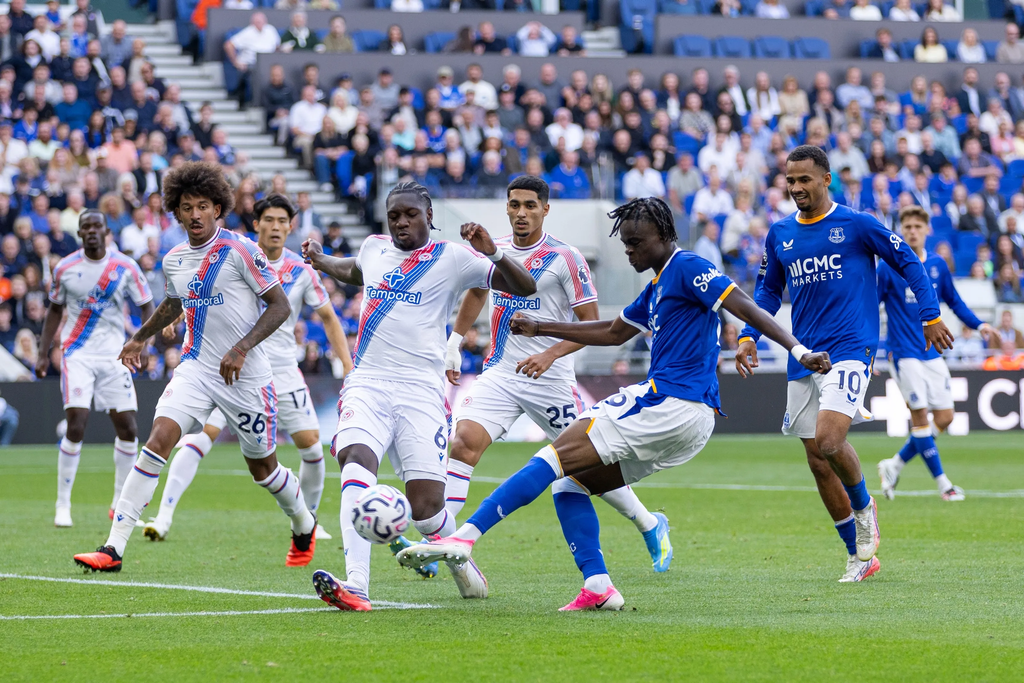
Perhaps the most interesting development this season is the rise of B2B and high‑entry‑point brands entering the league. Clickhouse with Fulham, Marex with Nottingham Forest, CMC Markets with Everton and Temporal with Crystal Palace all represent a very different type of sponsor compared to the previous era. These are not consumer‑facing brands chasing mass‑market acquisition; they’re sophisticated businesses using football to build credibility, trust and global recognition.
This shift suggests the Premier League is becoming an increasingly attractive platform for companies operating in complex, high‑value sectors, and it will be fascinating to see how this trend develops.
A More Strategic, More Intelligent Sponsorship Market
All of this points to a sponsorship landscape that is more strategic, more segmented and more commercially intelligent than ever before. And crucially, there are still opportunities available for brands that want to enter the Premier League with a clear plan and a meaningful point of difference.
F42 is superbly placed to build that strategy, one that genuinely moves the needle on brand awareness, credibility and commercial impact. If you’re exploring Premier League sponsorship or want to understand where your brand fits into this evolving landscape, get in touch.